
Prioritize Every Investment by Its Impact on Residual Risk
Circadian Risk gives security leaders the quantified risk data they need to build defensible capital plans, prioritize investments by their impact on residual risk scores, and demonstrate the return on every dollar the physical security program spends.
Physical Security Budgets Are Finite. Circadian Risk Tells You Exactly Where They Will Do the Most Good.
Every security leader faces the same capital planning challenge: more locations to protect, more scenarios to address, and more deficiencies to remediate than the budget can cover in any given year. The question is not whether to prioritize. The question is how to prioritize in a way that is defensible to leadership, rooted in actual risk data, and demonstrably connected to the outcomes the organization cares about.
Most physical security programs prioritize capital investments based on the most recent incident, the loudest stakeholder, or the location that has been waiting the longest for attention. None of these approaches reflect the actual distribution of risk across the portfolio. Circadian Risk gives security leaders a different foundation: a residual risk score for every location and every scenario that makes the risk impact of every potential investment directly comparable, regardless of where it falls in the portfolio.

How Circadian Risk Supports Physical Security Capital Planning
Identify Where Risk Is Highest Across the Entire Portfolio
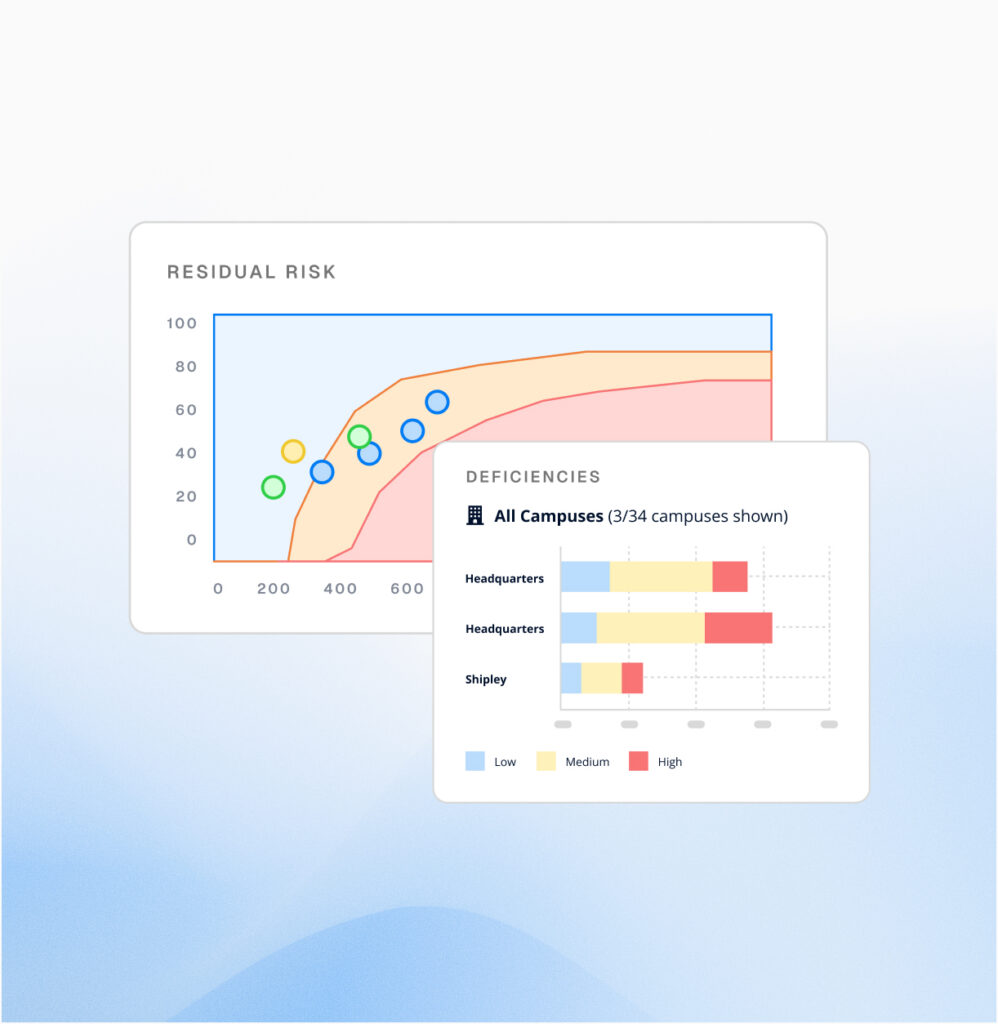
The residual risk dashboard shows quantified risk scores for every location and every scenario simultaneously. Security leaders can identify the highest-risk sites, the most exposed scenarios, and the locations where the gap between inherent risk and current controls is widest, giving capital planning a foundation in actual risk data rather than administrative priority.
Prioritize Investments by Risk Reduction Impact
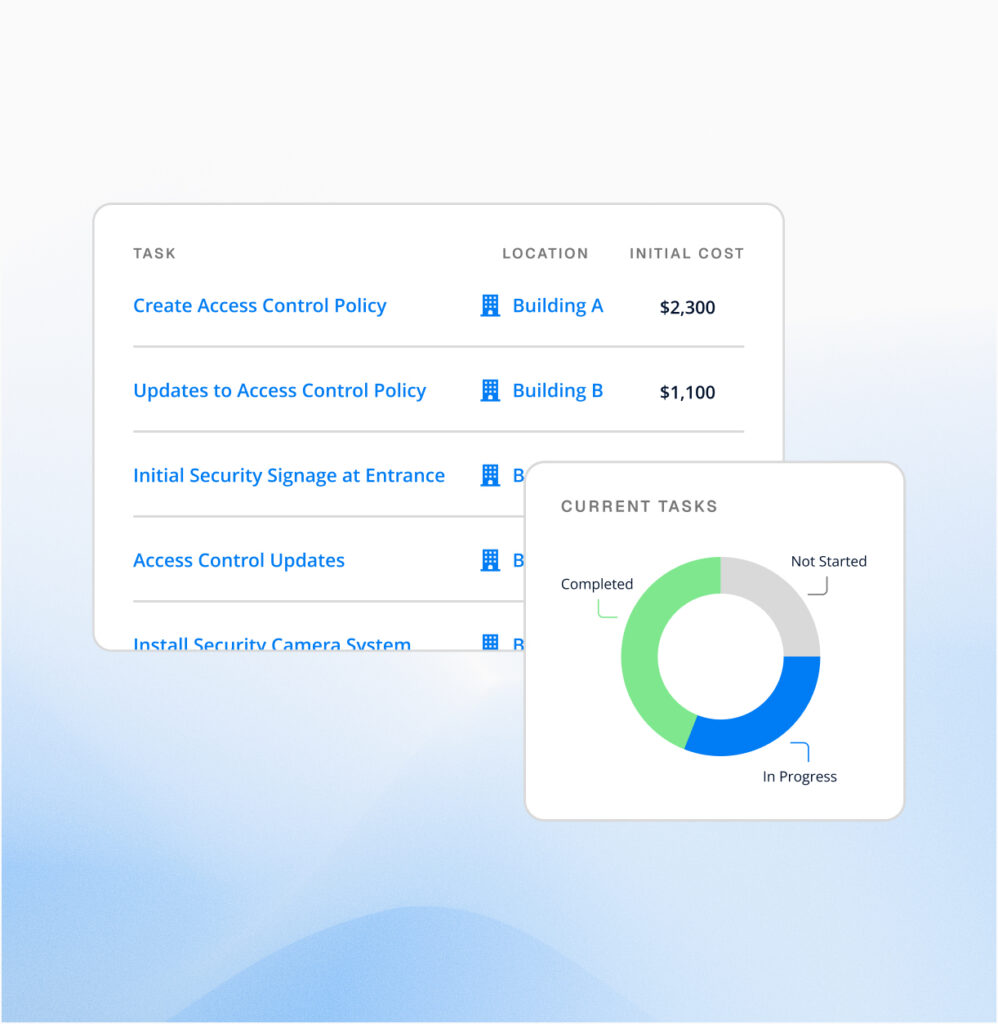
Every remediation task in Circadian Risk is ranked by its impact on the residual risk score. Security leaders can compare the risk reduction potential of every open deficiency across the entire portfolio, identifying which investments will produce the greatest improvement per dollar spent and building capital plans that maximize risk reduction within available budget constraints.
Demonstrate Return on Investment With Before-and-After Risk Scores
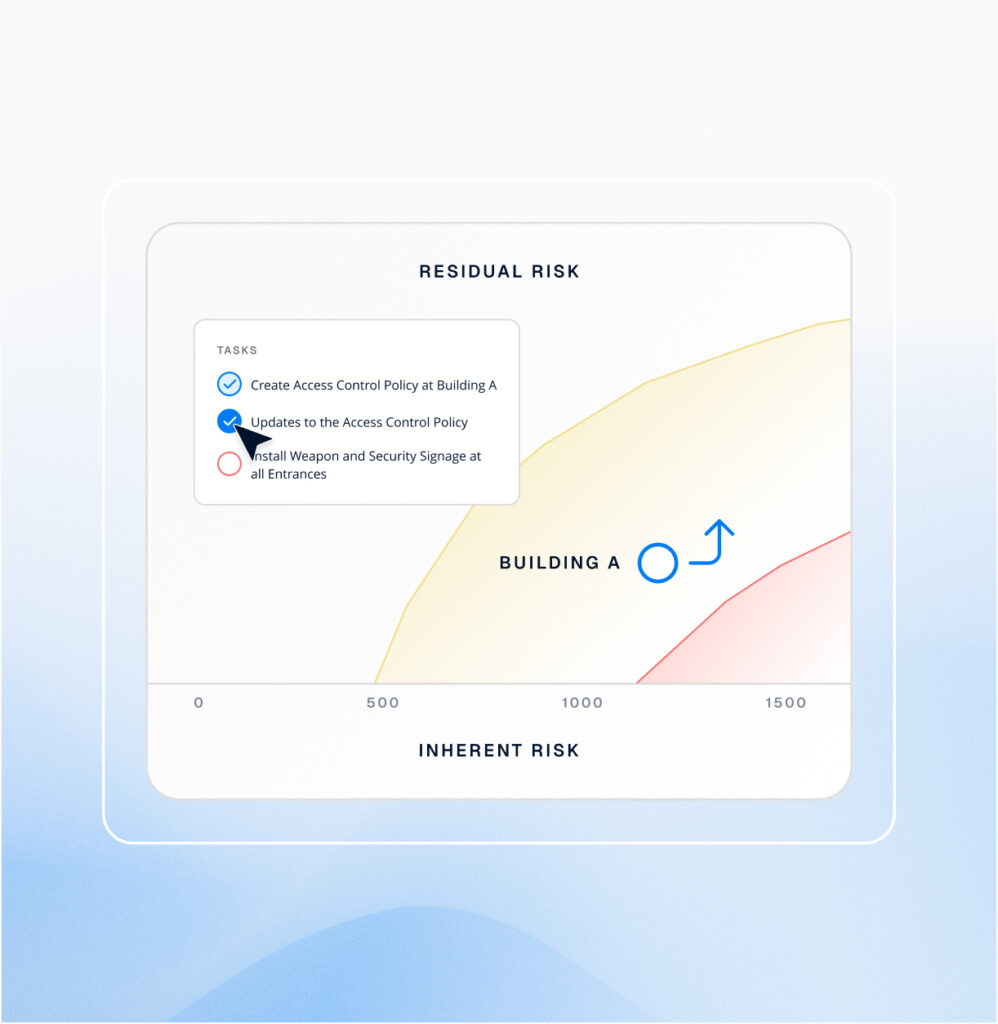
When a capital investment is made and the associated remediation task is completed, the residual risk score for the affected location and scenario updates automatically. Security leaders can compare the score before and after the investment, quantify the risk reduction achieved, and present that outcome to leadership as evidence of program performance and a foundation for the next budget request.
What Risk-Based Capital Planning Delivers: The SpartanNash Story

Frequently Asked Questions About Physical Security Capital Planning
How does Circadian Risk help justify physical security budget requests?
Circadian Risk gives security leaders quantified residual risk scores for every location and every scenario in the portfolio, making it possible to show leadership exactly where the highest risk is, what the investment required to address it would be, and what risk reduction would result. This replaces intuition-based budget justification with a data-driven case that speaks the language of organizational risk and financial return.
How does Circadian Risk prioritize remediation investments across a large portfolio?
Circadian Risk ranks every open remediation task across the portfolio by its impact on the residual risk score. Security leaders can sort the full remediation queue by risk reduction potential, identify which investments will produce the greatest improvement per dollar, and build capital plans that reflect the actual distribution of risk rather than administrative priority or recency bias.
Can Circadian Risk show the ROI of physical security investments already made?
Yes. Because every remediation task is connected to its impact on the residual risk score, completing a task produces an immediate, visible score improvement. Security leaders can compare residual risk scores before and after any investment, quantify the risk reduction achieved at each location, and present that data to leadership as documented evidence of program performance and return on investment.
How does Circadian Risk help security leaders communicate capital needs to a CFO or board?
Circadian Risk generates board-ready reports and executive risk summaries on demand from live residual risk data. These reports are designed for a leadership audience that needs to understand organizational exposure and investment impact without a security background. Security leaders can walk into a capital planning conversation with a current, quantified picture of risk across the portfolio, a ranked list of investments by risk reduction impact, and documented evidence of the return produced by previous investments.
See How Circadian Risk Makes Every Physical Security Investment Decision a Data-Driven One
Walk through Circadian Risk with a member of our team. See how your organization’s capital planning process would look when every investment is ranked by its impact on residual risk and every dollar spent produces a measurable, reportable outcome.