
From Identified Deficiency to Resolved Risk
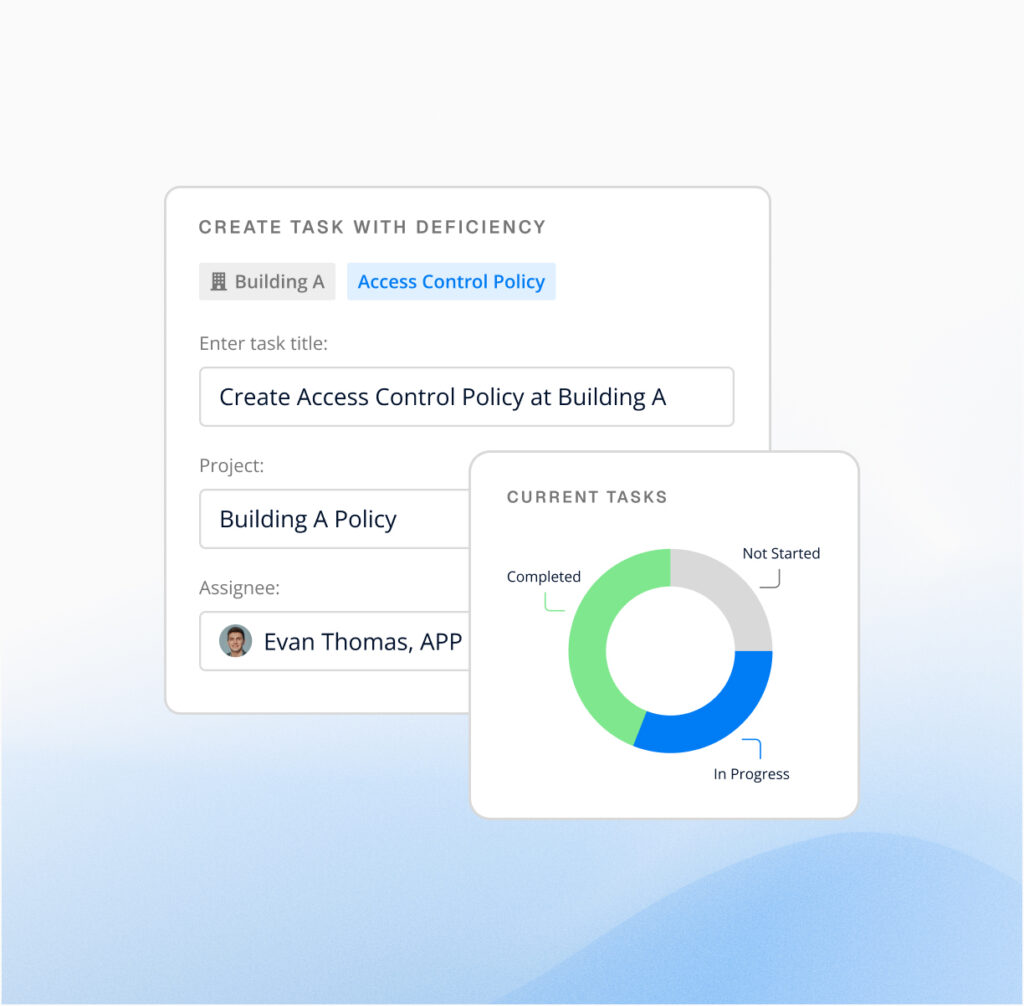
Circadian Risk converts every deficiency identified in a physical security assessment into a trackable, assignable remediation task, connected directly to its impact on the residual risk score, so nothing gets lost in an email thread and every resolved gap moves the number.
Why Physical Security Remediation Fails Without a Structured Workflow
Most organizations are better at finding security gaps than closing them. An assessment identifies twenty deficiencies. A report documents them. And then the remediation process begins its slow deterioration into a series of emails, spreadsheet trackers, and follow-up meetings that produce inconsistent results, missed deadlines, and no clear picture of what has actually been resolved.
The problem is not a lack of intention. It is a lack of structure. The person who identified the deficiency is rarely the person responsible for fixing it. The person responsible for fixing it may be managing dozens of other priorities across dozens of locations. Without a system that assigns accountability, tracks progress, and connects each resolved deficiency to a measurable outcome, remediation becomes the weakest link in the physical security risk program. Circadian Risk was built to close that gap.

Risk Remediation Workflows Turn Deficiencies into Resolved Risk
Step 1 — Every Deficiency Becomes an Assigned Task
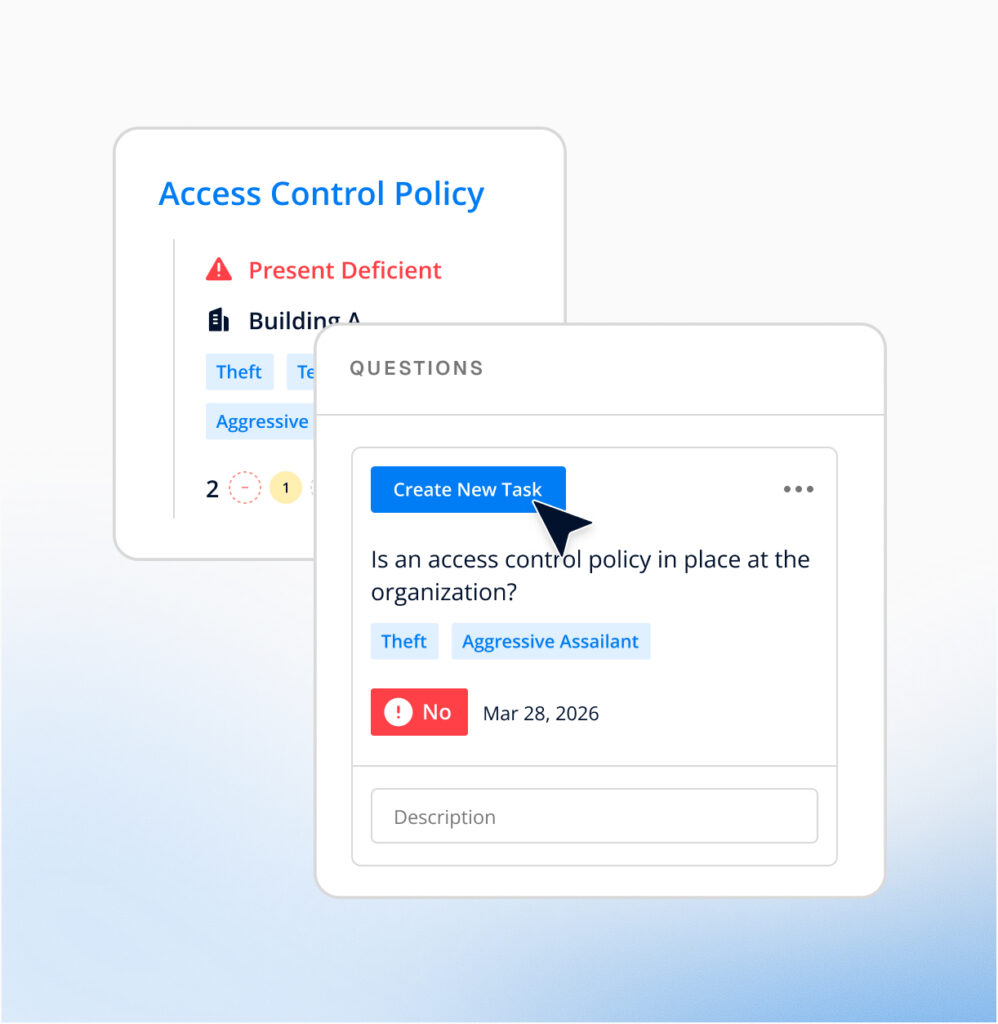
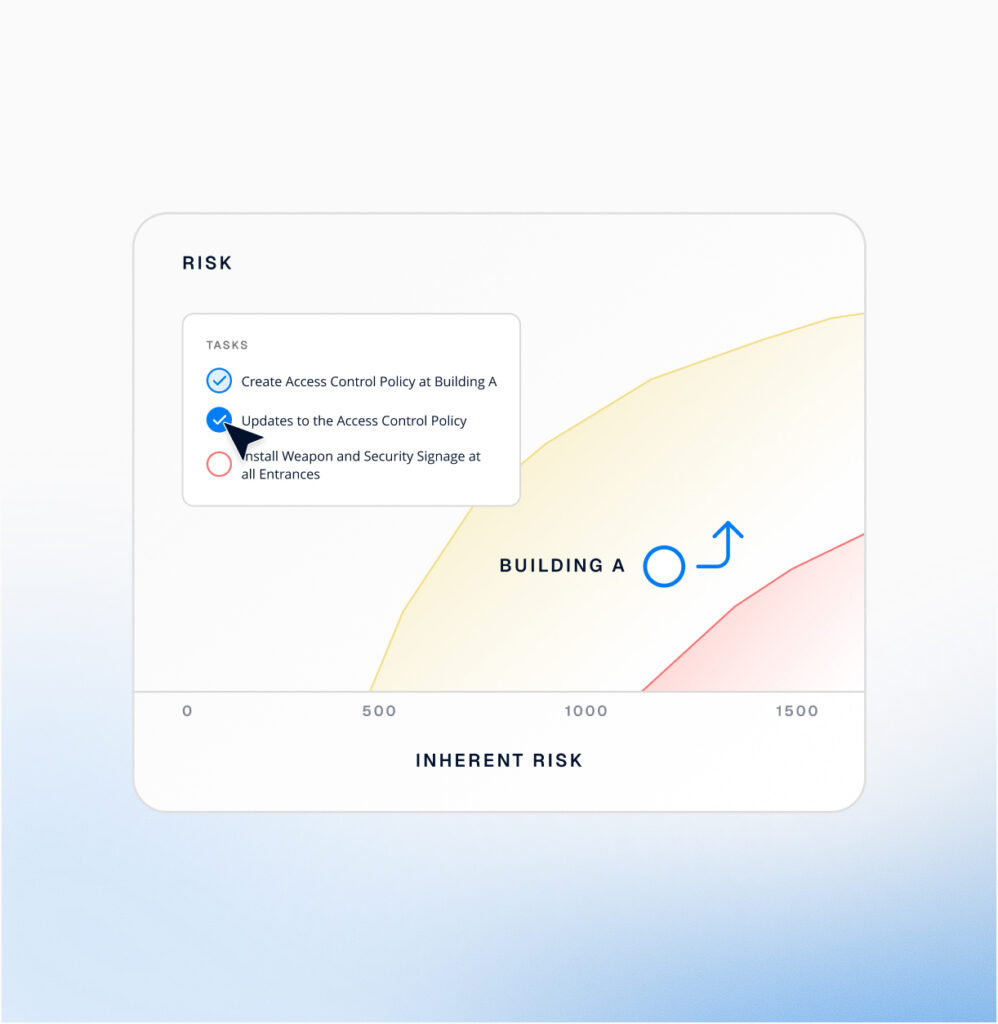
When an assessment identifies a deficiency, Circadian Risk automatically generates a remediation task for that item. The task captures what the deficiency is, which location and scenario it affects, what the required corrective action is, and what its current impact on the residual risk score is. No manual transfer from assessment report to task list is required. The gap exists in the platform the moment it is identified.
Step 2 — Tasks Are Assigned to Responsible Parties With Automated Notifications
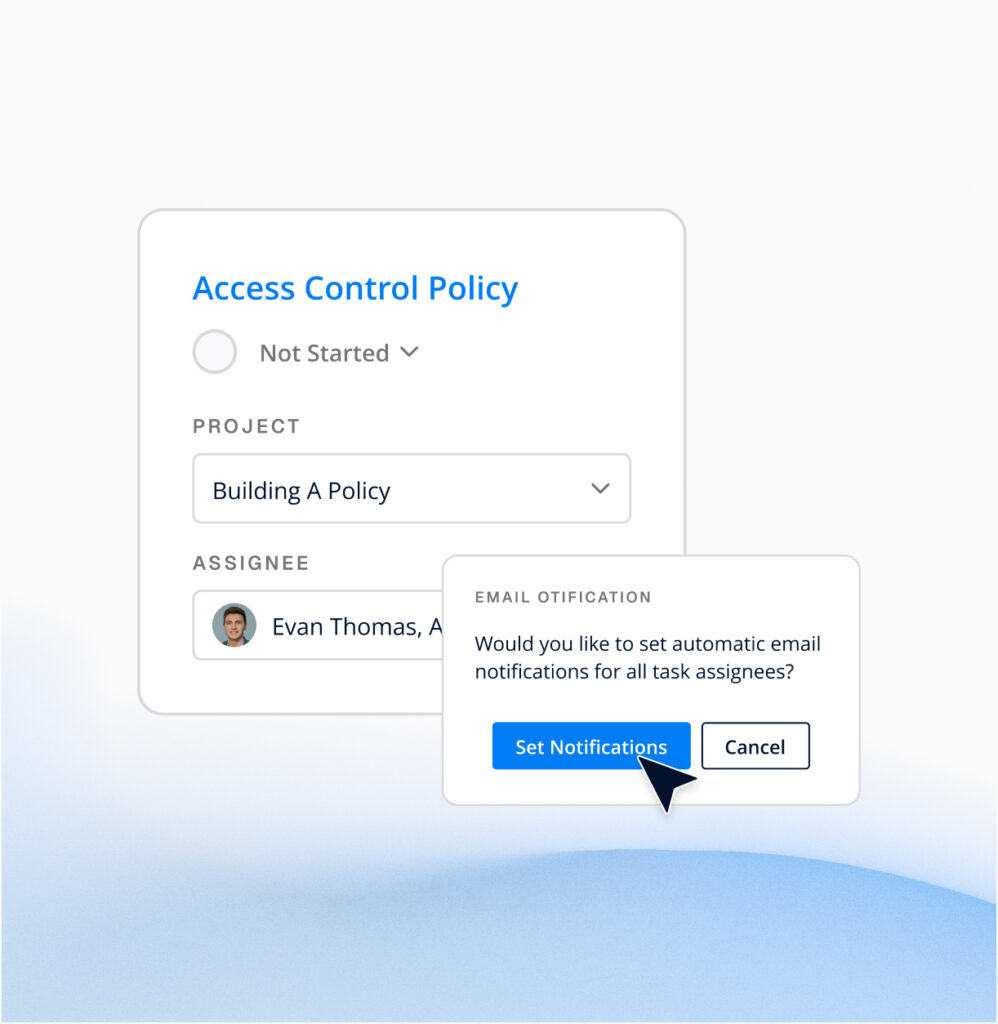
Each task is assigned to the individual responsible for resolving it, whether a site manager, facilities director, security officer, or external vendor. Assigned parties receive automatic notifications and can update task status directly within the platform. Security leaders see the full remediation queue across every location and every scenario in one place, with real-time visibility into what is in progress, what is overdue, and what has been completed.
Step 3 — Remediation Is Prioritized by Risk Reduction Impact
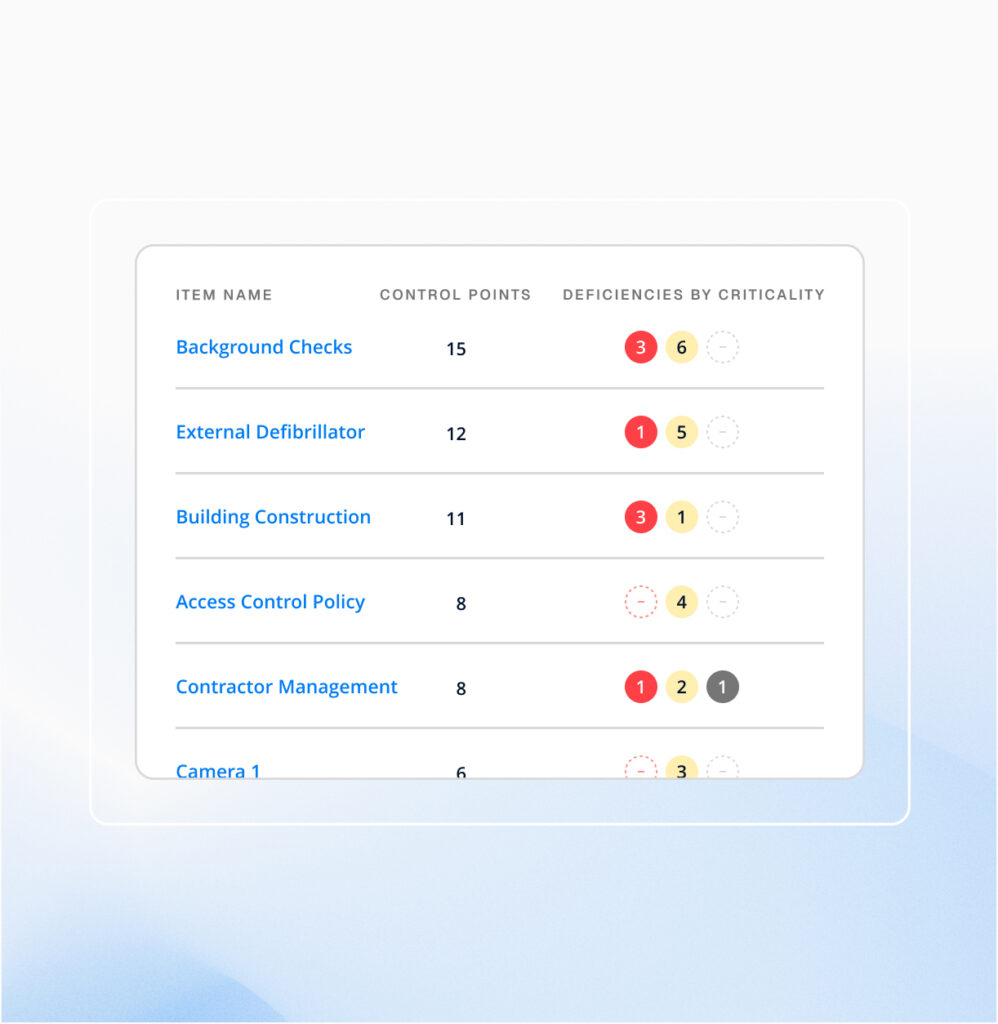
Not all deficiencies are equal. A missing access control system at a high-inherent-risk location in a high-priority scenario deserves a different urgency than a minor deficiency at a low-risk site. Circadian Risk ranks remediation tasks by their impact on the residual risk score, so security leaders and their teams always know which tasks will produce the greatest risk reduction per dollar and per hour of effort invested.
Step 4 — Resolved Tasks Update the Residual Risk Score in Real Time
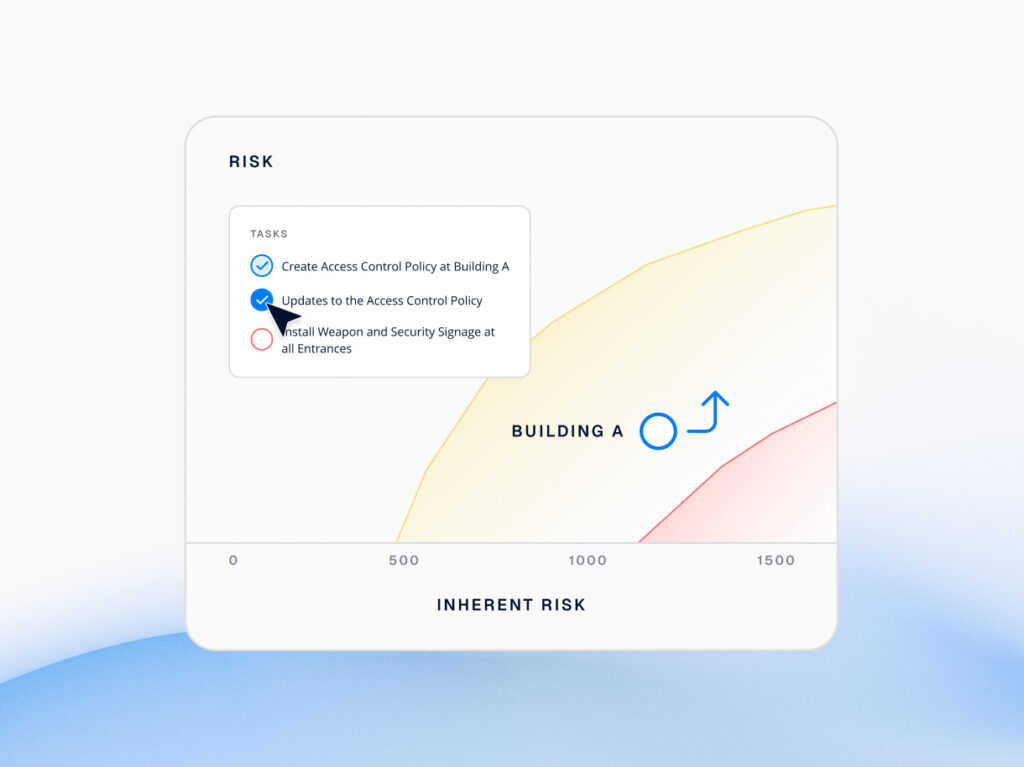
When a deficiency is resolved and the task is marked complete, the residual risk score for that location and scenario updates automatically. Security leaders can see the before and after: the score before the remediation investment and the score after. This closed loop between task completion and score improvement is what transforms remediation from an administrative function into a measurable risk reduction program.
The Difference Between Managing Deficiencies and Closing Them
The Traditional Approach
Deficiencies are documented in a report. The report is emailed to a list of responsible parties. Some act on it. Some do not. Follow-up happens inconsistently. Six months later, the next assessment finds many of the same gaps still open. Leadership has no visibility into what was resolved, what was ignored, and what risk remains. The remediation process consumed time and produced unclear results.
The Circadian Risk Approach
Every deficiency becomes a task the moment it is identified. Responsible parties are notified automatically. Progress is tracked in real time. Tasks are prioritized by their impact on the residual risk score. When a task is completed, the score updates immediately. Leadership sees exactly which deficiencies have been resolved, which are in progress, and what risk reduction has been achieved.
Remediation Prioritization That Maximizes the ROI of Every Security Investment
Physical security budgets are limited. Circadian Risk’s remediation workflows ensure that every dollar invested in risk reduction goes to the deficiency that will produce the greatest improvement in residual risk score. This means organizations can do more with the resources they have, demonstrate the return on every capital investment to leadership, and build a defensible, data-driven case for future budget requests.

What Real-Time Residual Risk Scoring Delivers in Practice

Centralizing remediation workflows across all locations allowed SpartanNash to consolidate procurement and prioritize investments intelligently, recovering three times the cost of the platform through bulk purchase savings in its first year.
Security leaders using Circadian Risk report that portfolio-wide remediation tracking eliminates the guesswork of managing deficiencies across dozens of locations, replacing email-based follow-up with a structured workflow that produces consistent, measurable results.
Every Resolved Task Improves a Score. Executive Dashboards Show the Full Picture.
As remediation tasks are completed and residual risk scores improve, Circadian Risk’s Executive Dashboards and Reporting module captures that progress in board-ready reports and real-time risk summaries. Security leaders can show leadership exactly how the risk program is performing, what has been invested, and what risk has been reduced.
Frequently Asked Questions About Physical Security Risk Remediation Workflows
What is a risk remediation workflow in physical security?
A risk remediation workflow is a structured process for converting identified security deficiencies into assigned, tracked, and completed corrective actions. In Circadian Risk, every deficiency identified during an assessment automatically becomes a task with an assigned owner, a deadline, and a direct connection to the residual risk score it affects. When the task is completed, the score updates automatically, creating a closed loop between deficiency identification, remediation action, and measurable risk reduction.
How does Circadian Risk prioritize which deficiencies to remediate first?
Circadian Risk ranks remediation tasks by their impact on the residual risk score. Deficiencies at high-inherent-risk locations, in high-priority scenarios, or involving countermeasures with significant risk reduction potential are ranked higher than minor deficiencies at low-risk sites. This ensures that limited resources are directed toward the remediation actions that will produce the greatest reduction in organizational risk exposure.
Can Circadian Risk assign remediation tasks to people outside the security team?
Yes. Remediation tasks can be assigned to any responsible party within the organization, including site managers, facilities directors, operations staff, or external vendors. Assigned parties receive automatic notifications and can update task status directly within the platform without needing full platform access.
How does Circadian Risk show the return on remediation investments?
Because every remediation task is connected to its impact on the residual risk score, completing a task produces an immediate, visible score improvement. Security leaders can compare the residual risk score before and after a remediation investment, quantify the risk reduction achieved, and communicate that outcome clearly to executives and boards. This makes the return on physical security investment measurable and defensible in a way that narrative reports and spreadsheets cannot replicate.
See How Circadian Risk Turns Every Security Gap into a Closed Task
Walk through Circadian Risk’s Risk Remediation Workflows with a member of our team. See what your organization’s deficiency management process would look like when every gap is tracked, every task is assigned, and every resolved item moves the risk score.