
Protect Assets, Manage Hazard Exposure, and Quantify Risk Across Every Facility
Circadian Risk gives manufacturing and industrial organizations a structured platform to assess physical security risk across every facility, address criminal threat, workplace violence, and natural hazard exposure independently, and produce quantified risk scores that support capital planning and regulatory compliance.
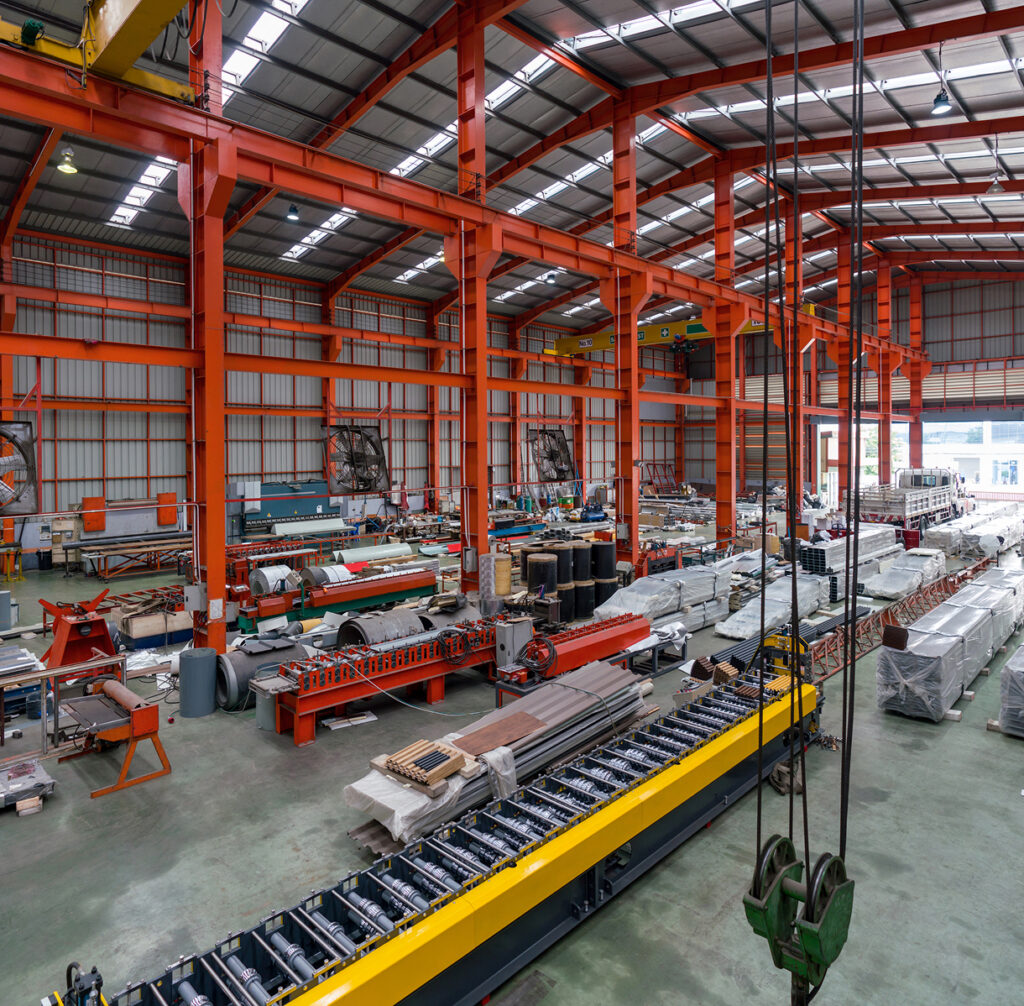
Manufacturing and Industrial Physical Security Risk Spans Threat, Hazard, and Compliance Dimensions Simultaneously
Manufacturing and industrial facilities face physical security risk from multiple directions. High-value equipment and inventory make these facilities targets for theft, cargo diversion, and espionage. Large workforces in high-stress, physically demanding environments elevate workplace violence risk. Geographic exposure to tornadoes, floods, earthquakes, and industrial accidents creates natural hazard and environmental risk that can affect operations, assets, and workforce safety simultaneously. And regulatory compliance requirements from OSHA, environmental agencies, and industry-specific frameworks impose physical security and safety obligations that require systematic documentation.
Managing all of these risk dimensions with a single consistent methodology across multiple facilities requires a platform built for the complexity of industrial physical security. Circadian Risk assesses every relevant scenario independently, integrates all scenario scores on the same dashboard, and produces the quantified, auditable record that regulatory compliance and executive accountability demand.
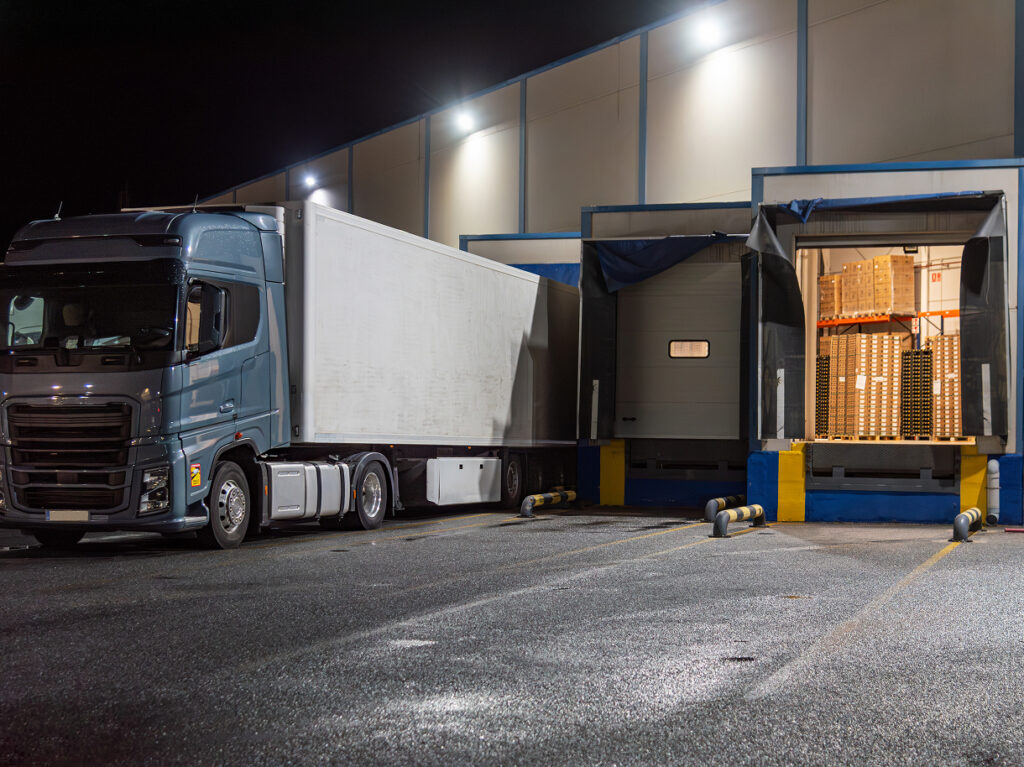
How Manufacturing and Industrial Organizations Use Circadian Risk

Asset Protection and Theft Risk Assessment
Assess theft, cargo diversion, espionage, and asset protection scenarios at every facility using site-specific variables that reflect the actual criminal risk environment and the value and vulnerability of the assets being protected. Identify the physical countermeasure gaps that create the most liability and prioritize investments by risk reduction impact.

Workplace Violence Risk Assessment for Industrial Environments
Evaluate workplace violence risk at every facility using the scenario-specific variables most relevant to manufacturing environments: workforce size and composition, shift patterns, termination and grievance history, physical layout factors affecting response effectiveness, and site-specific characteristics that affect incident probability and severity.

Natural Hazard and Industrial Accident Risk Assessment
Assess tornado, flood, earthquake, wildfire, and industrial chemical hazard scenarios at every facility based on geographic and environmental variables specific to each location. Integrate natural hazard scores alongside threat and compliance scenarios for a complete view of physical risk across every dimension.

CT-PAT and Supply Chain Security Compliance
Circadian Risk supports CT-PAT physical security requirements as a structured compliance scenario for manufacturing and industrial organizations participating in the Customs-Trade Partnership Against Terrorism program. Produce quantified compliance risk scores, complete assessment records, and audit-ready documentation for every applicable facility.
Frequently Asked Questions About Physical Security Risk Management for Manufacturing and Industrial Organizations
How does Circadian Risk assess physical security risk at large, complex manufacturing facilities?
Circadian Risk’s map-based Controls and Vulnerability Mapping module allows assessors to document every physical security countermeasure at a facility on an interactive floor plan or site map, regardless of the size or complexity of the facility. Every asset is classified by type, condition, and scenario-specific compliance status. The resulting inventory is centralized and comparable across the full facility portfolio, giving security leaders a complete picture of what exists, where it is, and how effectively it addresses each relevant scenario.
How does Circadian Risk support CT-PAT compliance for manufacturing and supply chain organizations?
Circadian Risk treats CT-PAT physical security requirements as a compliance scenario, evaluating every relevant countermeasure at each applicable facility against CT-PAT’s minimum security criteria and producing a quantified compliance risk score. The assessment generates a complete, timestamped record of findings and remediation actions that can be presented to CBP auditors and internal compliance teams as evidence of a systematic CT-PAT physical security program.
How does Circadian Risk integrate natural hazard risk with physical security threat risk for industrial facilities?
Circadian Risk assesses all scenario categories, threat, hazard, and compliance, using the same three-layer methodology and surfaces all scores on the same residual risk dashboard. Natural hazard risk scores for tornado, flood, earthquake, and industrial chemical hazard scenarios appear alongside active shooter, workplace violence, and theft scores, giving security and risk leaders a complete view of physical exposure that does not segregate risk types into separate programs or siloed reports.
How does Circadian Risk support physical security capital planning for manufacturing organizations?
Circadian Risk ranks remediation tasks across every facility and every scenario by their impact on the residual risk score, enabling security and operations leaders to identify which investments across the full portfolio will produce the greatest risk reduction per dollar. This supports defensible capital planning conversations with operations and finance leadership that are grounded in quantified risk data rather than incident history or administrative priority.
See How Circadian Risk Addresses Physical Security Risk in Manufacturing and Industrial Environments
Walk through Circadian Risk with a member of our team. See how your organization’s manufacturing portfolio’s physical risk profile would look when threat, hazard, and compliance scenarios are all assessed, scored, and visible on a single dashboard.