
Critical Infrastructure Protection, Regulatory Compliance, and Quantified Risk at Every Asset
Circadian Risk gives water utilities and critical infrastructure operators a structured platform to assess physical security risk across every facility and asset, meet applicable regulatory standards, and produce the quantified, auditable documentation that regulators and oversight bodies require of critical infrastructure security programs.
Critical Infrastructure Physical Security Risk Requires a Methodology That Reflects the Stakes
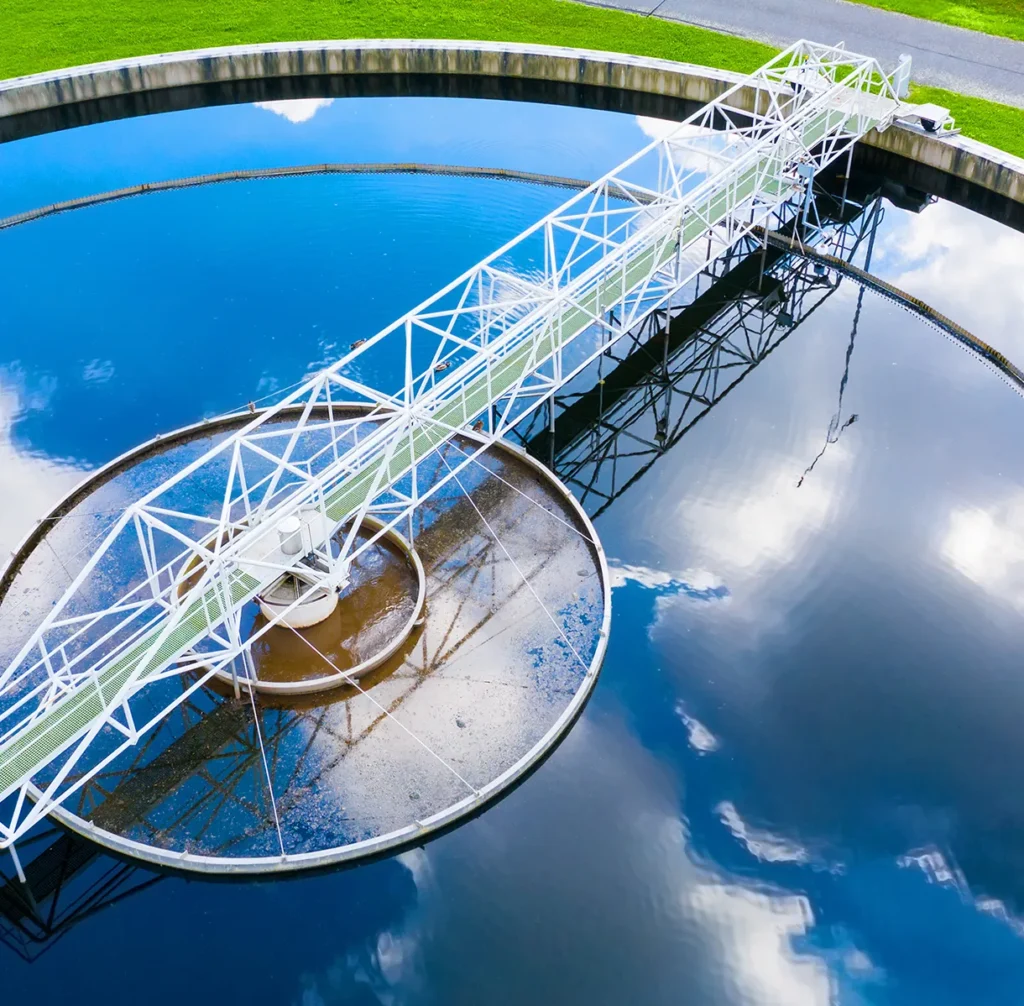
Physical security incidents at water and utility infrastructure carry consequences that extend beyond any single facility. Unauthorized access to a water treatment plant, sabotage of a pumping station, or a physical security failure at a power substation can affect public health, community safety, and regional operations at a scale that most private sector physical security incidents do not reach. The regulatory framework that governs critical infrastructure physical security reflects this reality, with America’s Water Infrastructure Act, FERC physical security standards, and sector-specific frameworks imposing documented, systematic assessment obligations on utility operators.
Circadian Risk gives water and utility security teams the platform to meet these obligations with the rigor they require. Scenario-based assessment evaluates threat, sabotage, natural hazard, and compliance risk independently at every facility and asset. The documentation capability produces a structured, auditable record of assessment findings and remediation actions that satisfies regulatory reviewers and supports the continuous improvement expectation that critical infrastructure security frameworks increasingly demand.
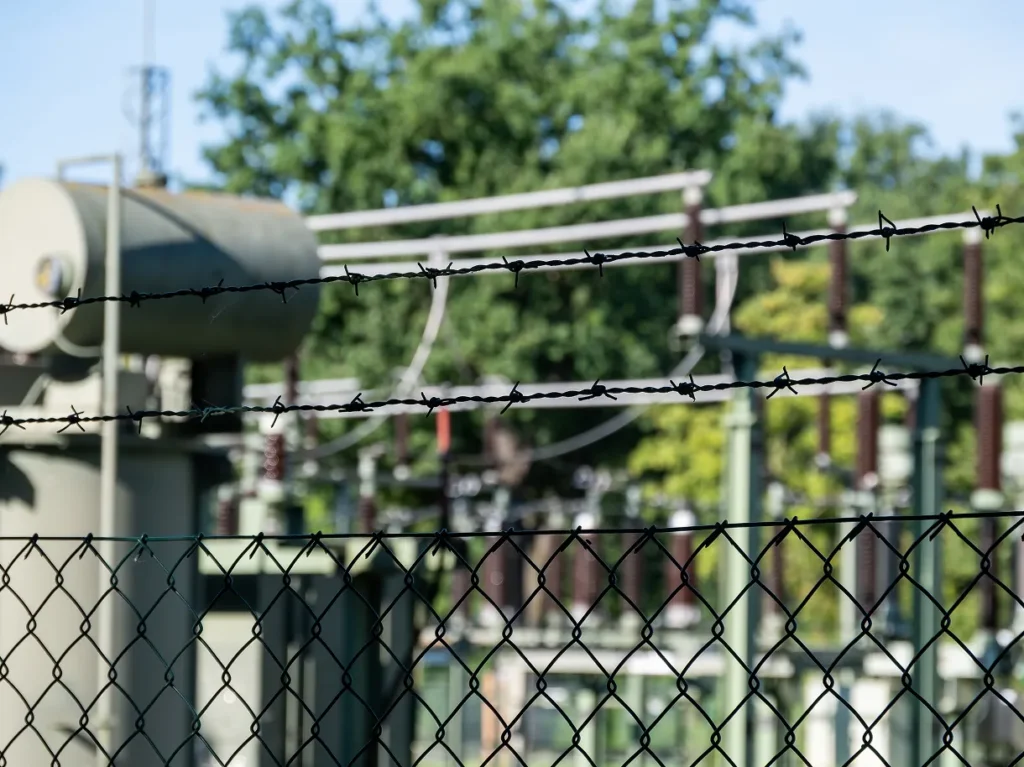
How Water Utilities and Critical Infrastructure Operators Use Circadian Risk

Critical Infrastructure Threat and Sabotage Risk Assessment
Assess unauthorized access, sabotage, theft, and espionage scenarios at every facility using the site-specific variables relevant to critical infrastructure operations. Map every physical countermeasure on an interactive site layout and produce a quantified residual risk score for every threat scenario at every asset.

Natural Hazard and Environmental Risk Assessment
Assess flood, earthquake, severe weather, and industrial chemical hazard scenarios at every facility based on geographic and environmental variables specific to each location. Utility infrastructure is disproportionately affected by natural hazard events, and integrating these scores alongside threat and compliance scenarios is essential to a complete risk picture.

Regulatory Compliance Documentation
Produce structured, timestamped assessment records and quantified compliance risk scores for every facility that can be presented to regulators, oversight bodies, and internal audit functions as evidence of a systematic, documented physical security program meeting applicable critical infrastructure standards.

Multi-Asset Portfolio Risk Management
Assess physical security risk consistently across every facility and asset in the utility portfolio, from water treatment plants and pumping stations to substations and transmission assets. Compare residual risk scores across the portfolio and prioritize capital investments by risk reduction impact across the full infrastructure estate.
Frequently Asked Questions About Physical Security Risk Management for Water and Utilities
What regulatory physical security requirements apply to water utilities and critical infrastructure operators?
Water utilities are subject to America’s Water Infrastructure Act physical security requirements, which mandate risk and resilience assessments and emergency response plans for community water systems above defined size thresholds. Electric utilities fall under FERC and NERC CIP physical security standards for bulk electric system assets. Circadian Risk’s assessment framework can be configured to reflect these regulatory requirements and produce the structured, documented assessment records that satisfy regulatory review and reporting obligations.
How does Circadian Risk address the unique physical security challenges of distributed utility infrastructure?
Circadian Risk’s multi-location assessment methodology scales to portfolios of any size and asset type, from large treatment facilities to remote pumping stations and unmanned transmission assets. Every asset is assessed using the same standardized scenario framework, producing comparable residual risk scores regardless of asset size or type. The centralized dashboard gives security leaders a portfolio-wide view of physical risk across the full infrastructure estate.
How does Circadian Risk integrate natural hazard risk for utility infrastructure specifically?
Circadian Risk assesses natural hazard scenarios, including flood, earthquake, severe weather, and industrial chemical hazards, using site-specific geographic and environmental variables at each facility. For utility infrastructure, which is disproportionately exposed to natural hazard events due to geographic distribution and the importance of continuity, integrating these scores alongside threat and compliance scenarios on the same dashboard provides the complete risk picture that utility security and operations leaders need.
How does Circadian Risk produce documentation that satisfies critical infrastructure regulatory reviewers?
Every assessment conducted in Circadian Risk generates a structured, timestamped record of what was evaluated, how every asset was classified, what deficiencies were identified, and what remediation actions were assigned and completed. This documentation trail is always current, always accessible, and designed to satisfy the systematic assessment documentation expectations of regulatory frameworks including America’s Water Infrastructure Act and NERC CIP.
See How Circadian Risk Supports a Rigorous Physical Security Program for Critical Infrastructure
Walk through Circadian Risk with a member of our team. See how your utility organization’s physical security risk profile would look when every asset is assessed, every regulatory obligation is tracked, and every remediation action is documented in a platform built for the stakes that critical infrastructure demands.